






Magnetic Innovation: How LINX is Changing GERD Surgery
Published: 09.04.25
LINX: Redefining the surgical treatment of reflux disease
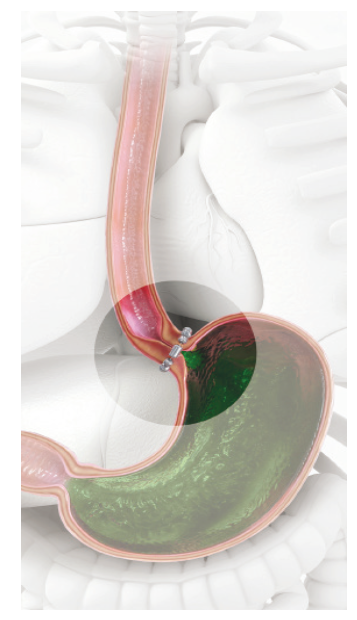
What is LINX™?
LINX is a simple device intended for patients diagnosed with reflux disease who are looking for an alternative to continuous acid suppression therapy.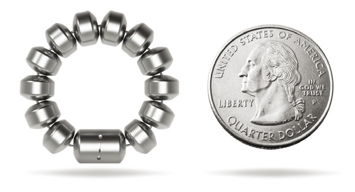 LINXTM is implanted during a minimally invasive laparoscopic procedure. The LINX procedure is less invasive than a traditional laparoscopic anti-reflux surgery, which is performed altering the stomach anatomy.
How LINX™ works
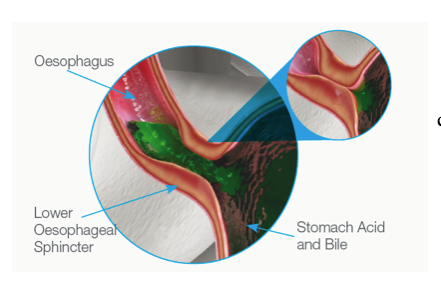 Reflux (also called Gastro-oesophageal Reflux Disease, or GORD) is caused by a muscle in your oesophagus called the Lower Oesophageal Sphincter (LOS) that is weak or relaxing inappropriately. This allows acid and bile to flow back from the stomach into the oesophagus, causing damage to the lining of the oesophagus, throat and lungs.
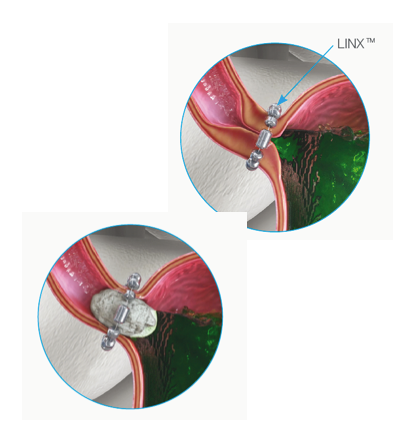 LINX TM is a small, flexible ring of magnets placed around the oesophagus during a minimally invasive procedure. The magnets help to keep the LOS closed so that acid and bile do not flow from the stomach to the oesophagus. When you eat or drink, the forces from swallowing cause the magnets to separate, the LINX TM device to expand, and the LOS to open for food or liquid to pass into the stomach.
The National Institute for Health and Care Excellence (NICE) has evaluated the LINX Reflux Management System to manage GORD.
In their guidance published on January 11, 2023, NICE concluded that there is adequate evidence supporting the safety and efficacy of this procedure, recommending its use with standard clinical governance, consent, and audit arrangements in place.
This endorsement indicates that the LINX procedure is a viable option for patients with GORD, provided it is performed by appropriately trained clinicians within a structured clinical setting.
However, not all patients are suitable candidates for the procedure, and before undergoing LINX implantation, patients undergo a thorough evaluation, including manometry, endoscopy, and pH monitoring, to ensure they are appropriate candidates.
Contraindications include:
- Allergy to metals (e.g., titanium, stainless steel, nickel) - LINX contains these materials.
- Large hiatal hernia (>4 cm) - which will require a separate repair before/instead of a LINX placement.
- Dysphagia (difficulty swallowing) or motility disorders - LINX can worsen swallowing issues.
- Esophageal stricture or severe inflammation (esophagitis) - could lead to complications.
- Prior bariatric or upper GI surgery (e.g., gastric bypass, sleeve gastrectomy, fundoplication) - might alter anatomy and affect LINX placement.
- Esophageal varices - due to increased risk of bleeding.
- Active infection - any systemic or local infection which could complicate implantation.
- Severe obesity (BMI >35-40) - may affect device function.
- Autoimmune diseases or connective tissue disorders - conditions like scleroderma affecting esophageal function.
- Significant delayed gastric emptying (gastroparesis) - may exacerbate reflux symptoms.