





Gallstones explained: Causes, Symptoms, and the Best Treatment Options
Published: 07.04.25
Understanding the Gallbladder and Bile
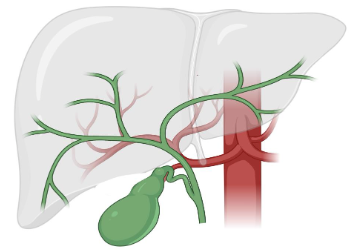 The gallbladder is a small organ beneath the liver that stores bile, a fluid essential for digesting fats. Bile travels through ducts to the intestines, helping break down food.
What Are Gallstones?
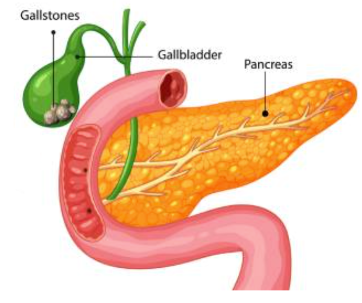 Gallstones form when bile hardens into solid lumps, typically made of cholesterol, bile pigments, or calcium. They vary in size and number and are more common with age, pregnancy, obesity, rapid weight loss, diabetes, and certain medications.
Symptoms and Complications
- No Symptoms: Many people with gallstones remain asymptomatic.
- Biliary Colic: Severe upper abdominal pain, especially after fatty meals. Pain results from a stone temporarily blocking the cystic duct.
- Cholecystitis: Inflammation of the gallbladder, often with fever and pain, requiring hospital treatment and surgery.
- Jaundice: Yellowing of the skin and eyes due to bile duct obstruction.
- Pancreatitis: A potentially serious inflammation of the pancreas caused by a lodged stone.
- Other Rare Complications: Infection of the bile duct, bowel obstruction, and digestive issues.
Diagnosis
Doctors usually diagnose gallstones using ultrasound and blood tests. Other imaging tests, such as an MRI scan, may be required if complications are suspected.Treatment Options
1. No Treatment (If No Symptoms)If gallstones do not cause problems, no treatment is strictly necessary. Dietary changes, such as avoiding fatty foods, may help prevent symptoms. Patients will be advised to seek for medical attention in case gallstones become symptomatic.
2. Medications
A drug called ursodeoxycholic acid may help dissolve small gallstones, but treatment is slow and often ineffective. It is mainly used for preventing gallstones in high-risk patients, such as those undergoing rapid weight loss, and patients who are unilkely to survive an operation due to their medical condition.
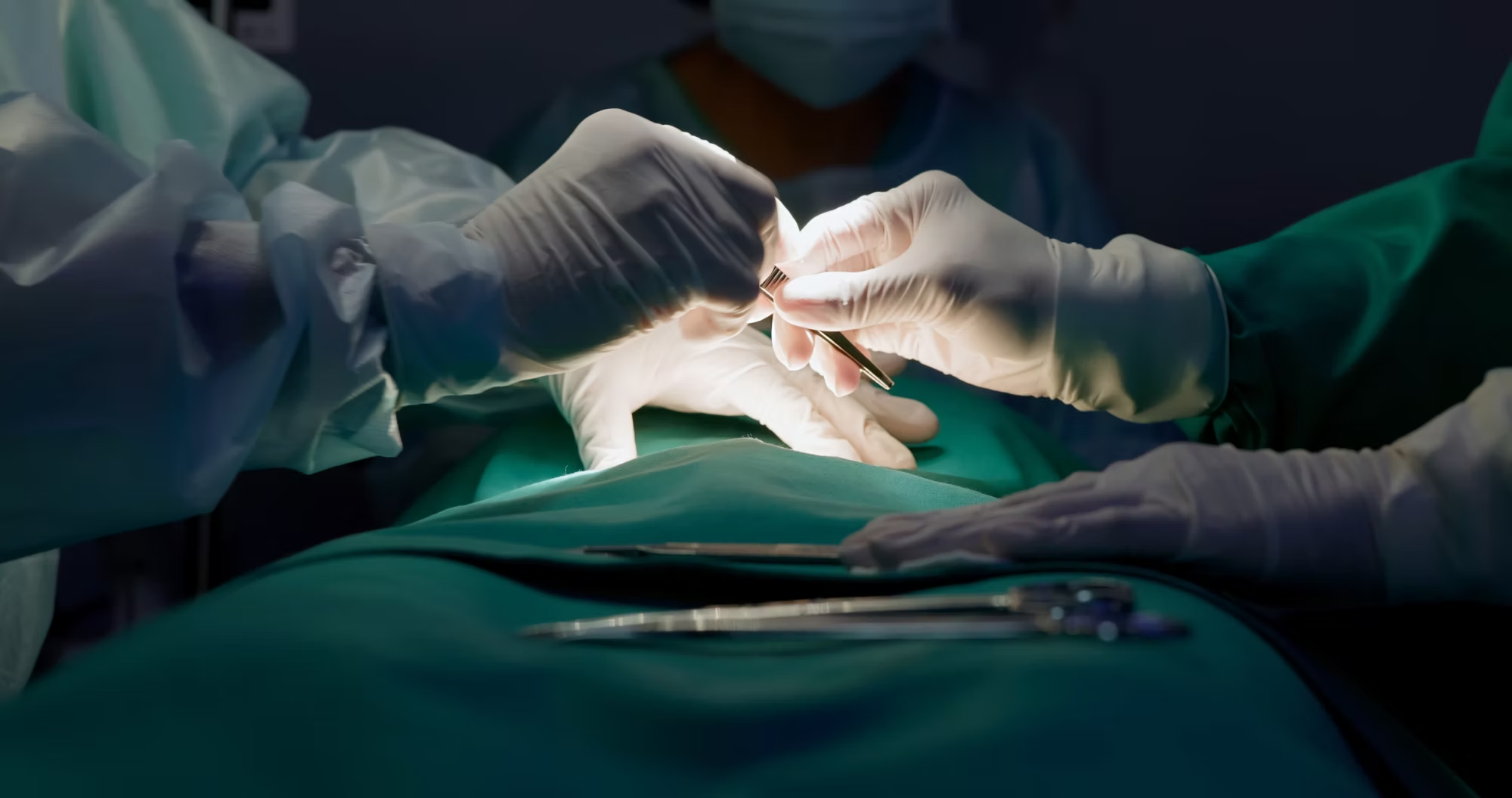
3. Surgery (Cholecystectomy - Gallbladder Removal)
Surgery is the most effective treatment for symptomatic gallstones
- Laparoscopic (Keyhole) Cholecystectomy:
- The most common method, performed using small incisions and a camera.
- Less pain, quicker recovery, and minimal scarring.
- Most patients leave the hospital the same day or within 24 hours.
- Open Cholecystectomy:
- A larger incision is needed if keyhole surgery isn’t suitable (e.g., severe inflammation or complications).
- Requires a longer hospital stay and recovery period.
- Other Procedures: If a gallstone is stuck in the bile duct, additional techniques like ERCP (Endoscopic Retrograde Cholangiopancreatography) may be needed to remove the stone without gallbladder removal.
Life After Gallbladder Removal
- The liver continues to produce bile, but without a gallbladder, bile flows directly into the intestines.
- Most people digest food normally, but some may experience mild bloating, diarrhea, or discomfort, especially after fatty meals.
- In rare cases, post-cholecystectomy syndrome can cause lingering digestive issues.